The Best Healthy Fats for Smoothies to Elevate Your Nutrition
When people think about building a smoothie, they usually focus on fruits, greens, or maybe protein, but healthy fats are often overlooked. And honestly, they can be the difference between a quick snack and something that actually keeps you satisfied.
The right fats don’t just make your smoothie creamier. They help with energy, support brain and hormone function, and make it easier for your body to absorb key nutrients like vitamins A, D, E, and K.
Whether you’re blending a green smoothie, a post-workout shake, or something more filling for breakfast, adding a source of healthy fat can completely change how it feels (and how long it holds you over).
Here’s a breakdown of some of the best healthy fats for smoothies, along with how to use them in a way that actually works.
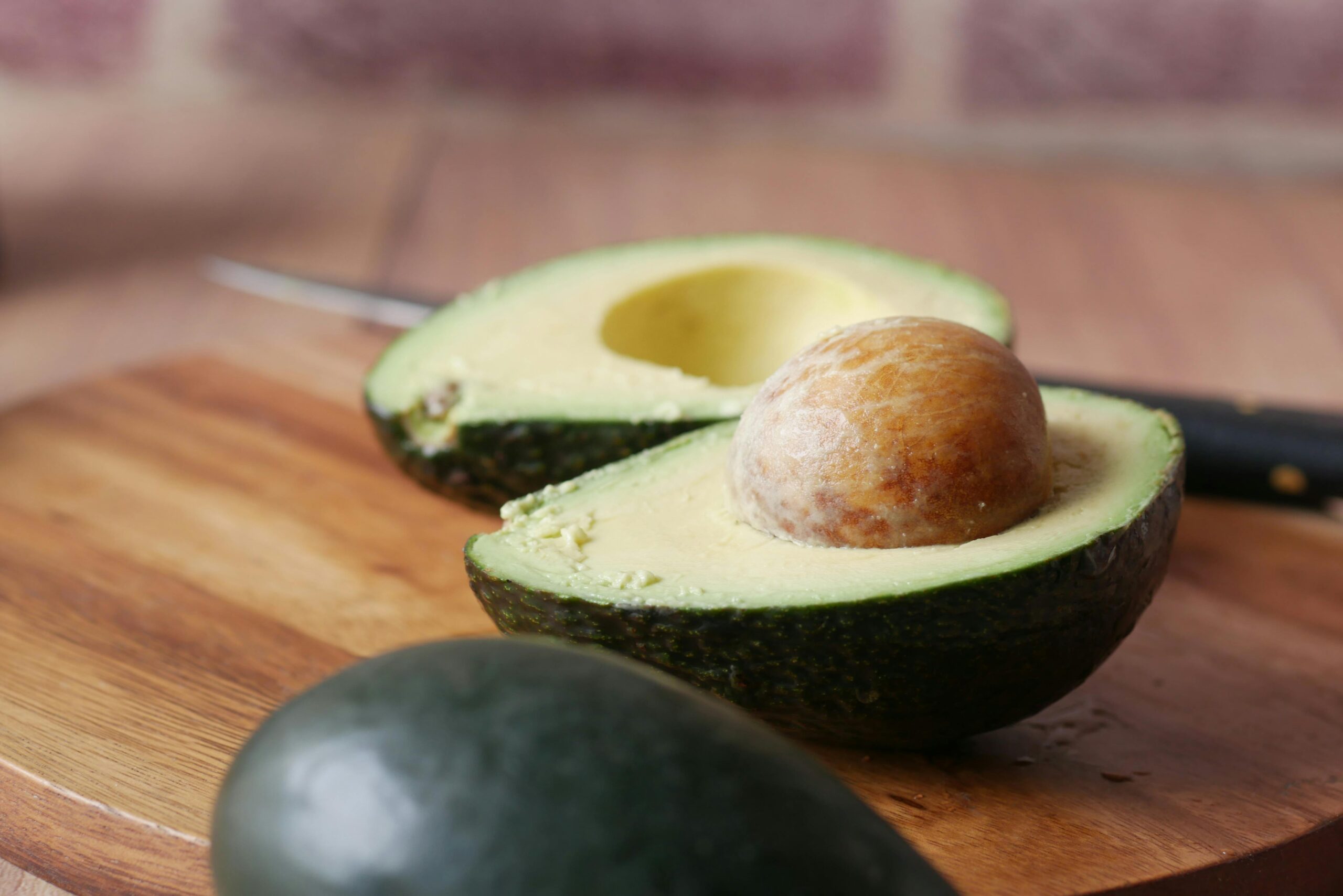
Avocado
Avocado is one of the easiest ways to make a smoothie feel rich and creamy without changing the flavor too much. It blends smoothly into both fruit and green combinations, which is why it’s such a popular go-to.
It’s also packed with monounsaturated fats, along with fiber and potassium, so you’re getting more than just texture here.
Tip: Start with about ¼ avocado and adjust from there. If you’ve ever had a smoothie feel too thin, this is a simple fix.

Nut Butters (Peanut, Almond, Cashew)
Nut butters add a lot in a small amount, healthy fats, some protein, and a deeper, more satisfying flavor. They work especially well in smoothies with banana, oats, or chocolate.
They’re also one of those ingredients that can quickly turn a smoothie into something more filling.
Tip: 1–2 tablespoons is usually enough. More than that can start to overpower the flavor (and calories add up fast).
Coconut (Milk, Cream, or Oil)
Coconut brings a richer, slightly sweet flavor that pairs really well with tropical ingredients like mango or pineapple.
It contains MCTs (medium-chain triglycerides), which are a type of fat your body can use fairly quickly for energy. That said, it’s definitely on the heavier side compared to other options.
Tip: If full coconut milk feels too rich, try mixing it with water or another milk to balance things out.
Chia Seeds
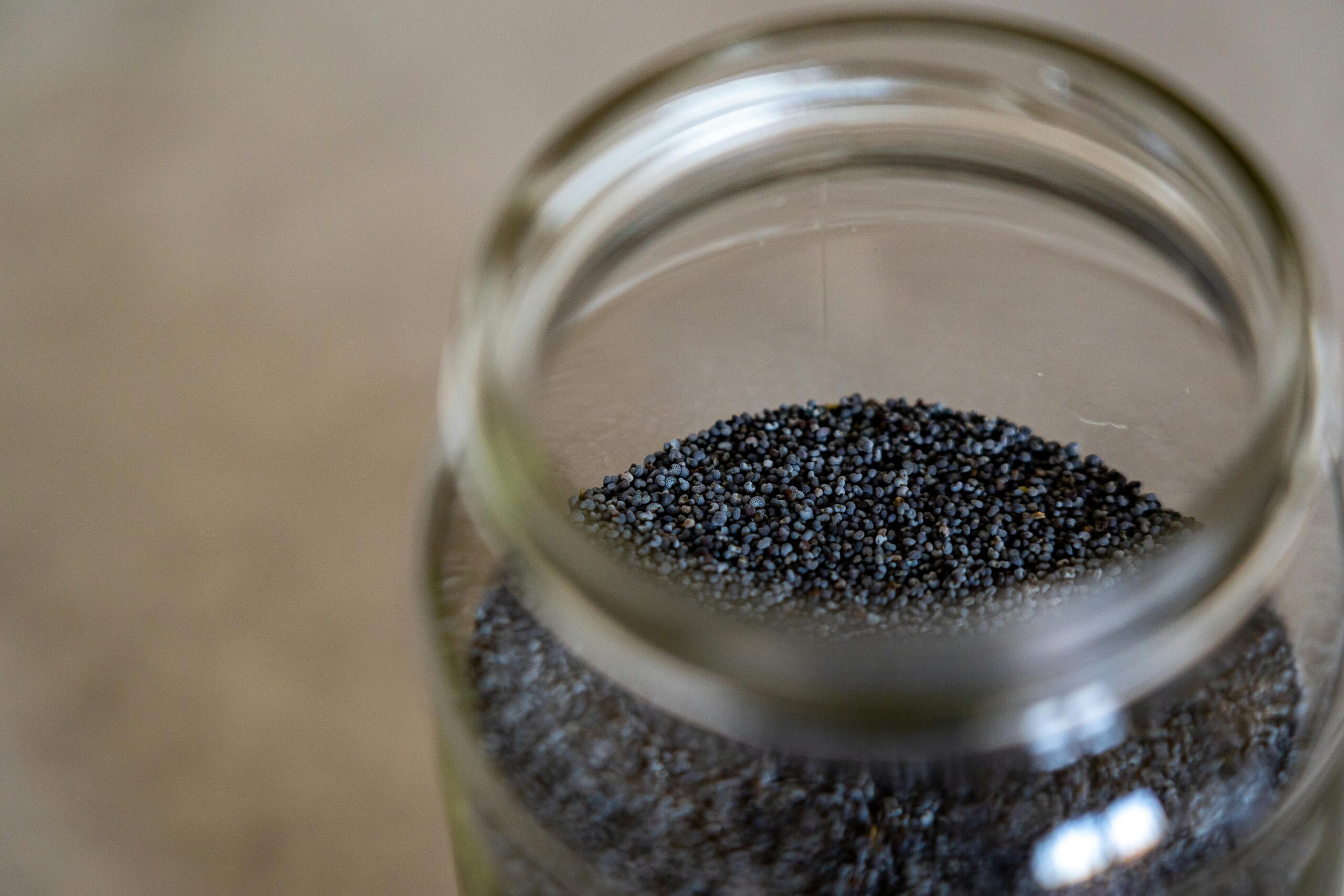
Chia seeds are small, but they do a lot. They’re a good source of omega-3 fatty acids and fiber, and they naturally thicken your smoothie as they absorb liquid.
That thicker texture can make your smoothie feel more substantial without adding a ton of extra ingredients.
Tip: Let your smoothie sit for a couple of minutes after blending—it’ll thicken up slightly as the chia seeds expand.
Flaxseeds
Flaxseeds are another solid plant-based source of omega-3s, along with fiber and antioxidants. They have a mild, slightly nutty taste that blends well with most ingredients.
They’re easy to add, but there’s one detail that makes a difference.
Tip: Use ground flaxseed instead of whole. Whole seeds tend to pass through without being fully digested.
Hemp Seeds
Hemp seeds are one of the more underrated smoothie add-ins. They’re soft, mild, and don’t really compete with other flavors.
They also contain both healthy fats and complete plant protein, which makes them especially useful if you’re trying to build a more balanced smoothie without relying on powders.
Tip: Add 2–3 tablespoons and blend, no prep needed.
Cacao Nibs or Cacao Butter
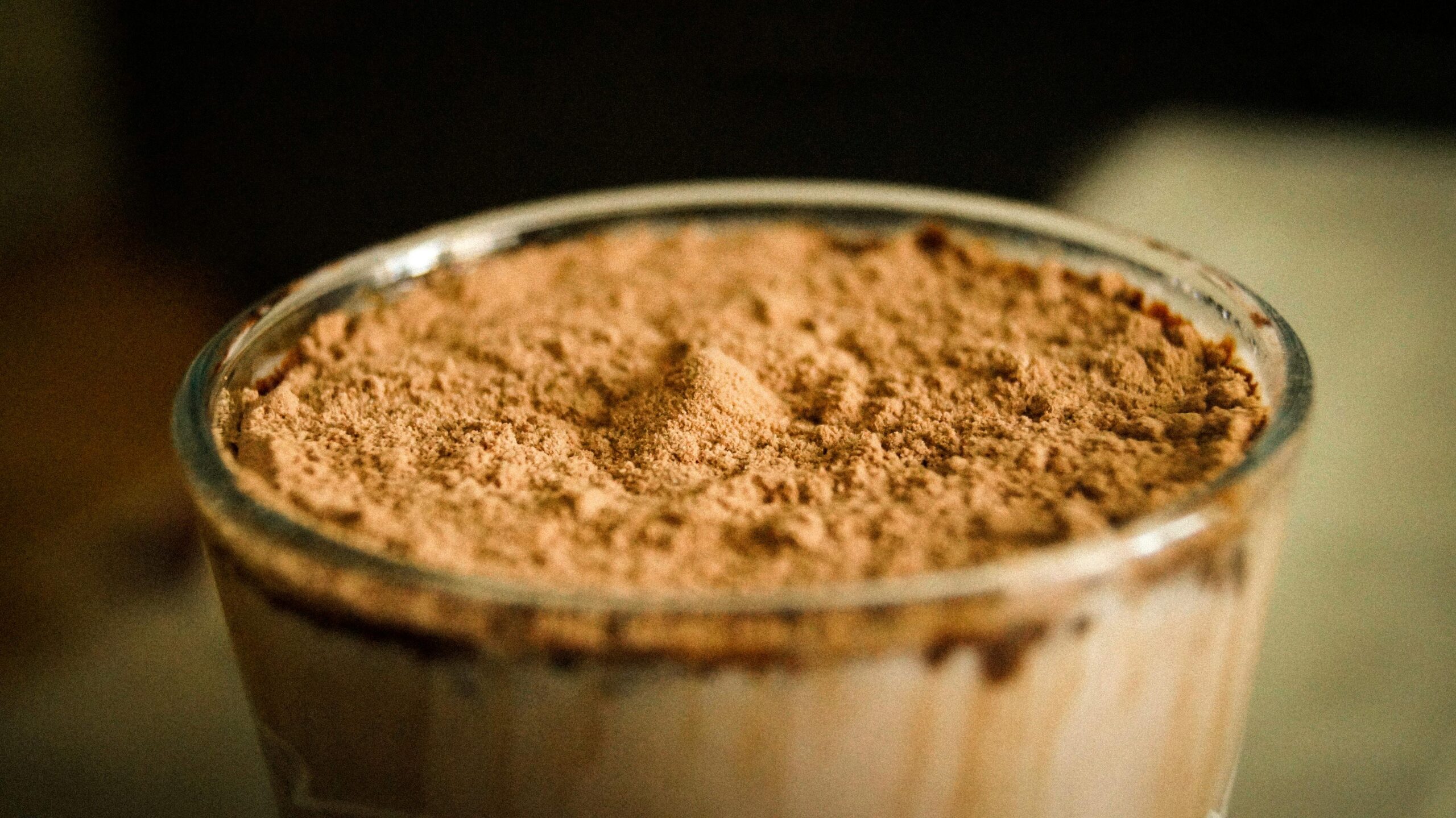
If you like chocolate-flavored smoothies, cacao nibs or cacao butter can add both flavor and healthy fats.
Cacao nibs give a bit of crunch, while cacao butter creates a smoother, richer texture. Both contain antioxidants that support heart health.
Tip: A small amount goes a long way here; start with 1–2 teaspoons.
Full-Fat Yogurt
Full-fat yogurt adds creaminess, protein, and beneficial bacteria for gut health. It’s a great option if you want your smoothie to feel more like a full meal.
The tangy flavor also works really well with berries and sweeter fruits.
Tip: Go with plain yogurt to avoid added sugars, especially if you’re already using fruit.
Whole Milk or Coconut-Based Plant Milks
If you’re using a liquid base, choosing one with some fat content can make your smoothie more satisfying.
Whole milk is a balanced option with both protein and fat, while coconut-based or higher-fat plant milks can give you that same creamy texture without dairy.
Tip: Unsweetened versions are usually the better choice—you can always control sweetness with fruit.

Why Healthy Fats Matter in Smoothies
Adding fat to your smoothie isn’t just about making it taste better; it actually changes how your body processes it.
- Helps you stay full longer: fats slow digestion, so you don’t crash an hour later
- Supports nutrient absorption: especially vitamins A, D, E, and K
- Supports brain and heart health: particularly from omega-3 sources like seeds
- Improves texture and flavor: makes smoothies feel more balanced and satisfying
Final Tips
Healthy fats are one of those small additions that can make a big difference. Without them, smoothies can sometimes feel a bit one-dimensional, or leave you hungry sooner than expected.
Once you start experimenting, you’ll probably find a few combinations that you come back to regularly. Some days you might want something light, other days something more filling, and that’s where fats really come in.
Whether it’s avocado, a spoonful of nut butter, or a handful of seeds, adding the right fat can turn your smoothie into something that actually works for your day, not just something that tastes good in the moment.

Which Drink Before Bed Is Perfect For Your Nighttime Routine? Quiz
Which Drink Before Bed Is Perfect For Your Nighttime Routine? Which Drink Before Bed Is Perfect For You? Discover[…]

Drink Before Bed for Clear Skin: 6 Beauty Drinks for Overnight Glow
Drink Before Bed for Clear Skin: 6 Beauty Drinks for Overnight Glow Want clearer, more radiant skin? Your nighttime[…]
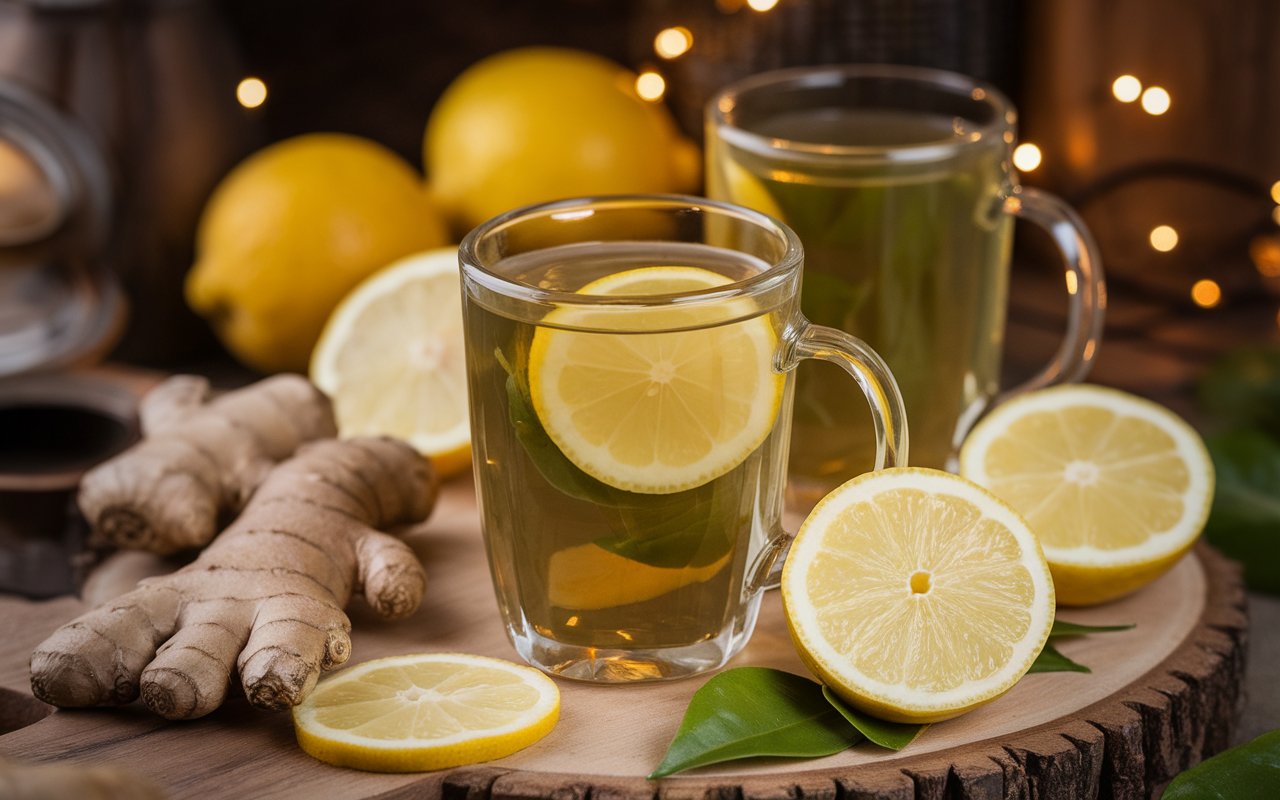
Anti-Bloat Drink Before Bed: 6 Simple Recipes for a Flat Stomach
Anti-Bloat Drink Before Bed: 6 Simple Recipes for a Flat Stomach Feeling bloated at night can be uncomfortable, and[…]
Comments are closed