
Best Liquid Bases for Smoothies and How to Choose the Right One
When you’re making a smoothie, it’s easy to focus on the fruits, greens, or add-ins—but the liquid you choose matters just as much. It doesn’t just help everything blend; it shapes the flavor, texture, and even how satisfying your smoothie feels afterward.
Some bases make your smoothie light and refreshing, others turn it into something creamy and filling. The “best” option really depends on what you’re in the mood for (and what your body needs that day).
Below, you’ll find some of the most popular liquid bases for smoothies, along with when they work best and a few practical tips from real-world use.
Coconut Water
Coconut water is one of those go-to options when you want something light and hydrating. It has a mild sweetness and contains electrolytes like potassium and magnesium, which can be especially helpful after a workout or on a hot day. It pairs really well with tropical fruits or green smoothies, where you don’t want anything too heavy.
Tip: If you’ve ever had a smoothie feel too thick or heavy post-workout, switching to coconut water can make a noticeable difference.

Oat Milk
Oat milk has a naturally creamy texture that makes smoothies feel a bit more like a treat. It’s slightly sweet on its own and works especially well in breakfast-style blends, think oats, banana, nut butter, or cinnamon. It’s also a good option if you’re avoiding both dairy and nuts.
Tip: It tends to settle in the carton, so give it a quick shake before pouring. Unsweetened versions are usually the best choice if you want to control sugar.
Almond Milk
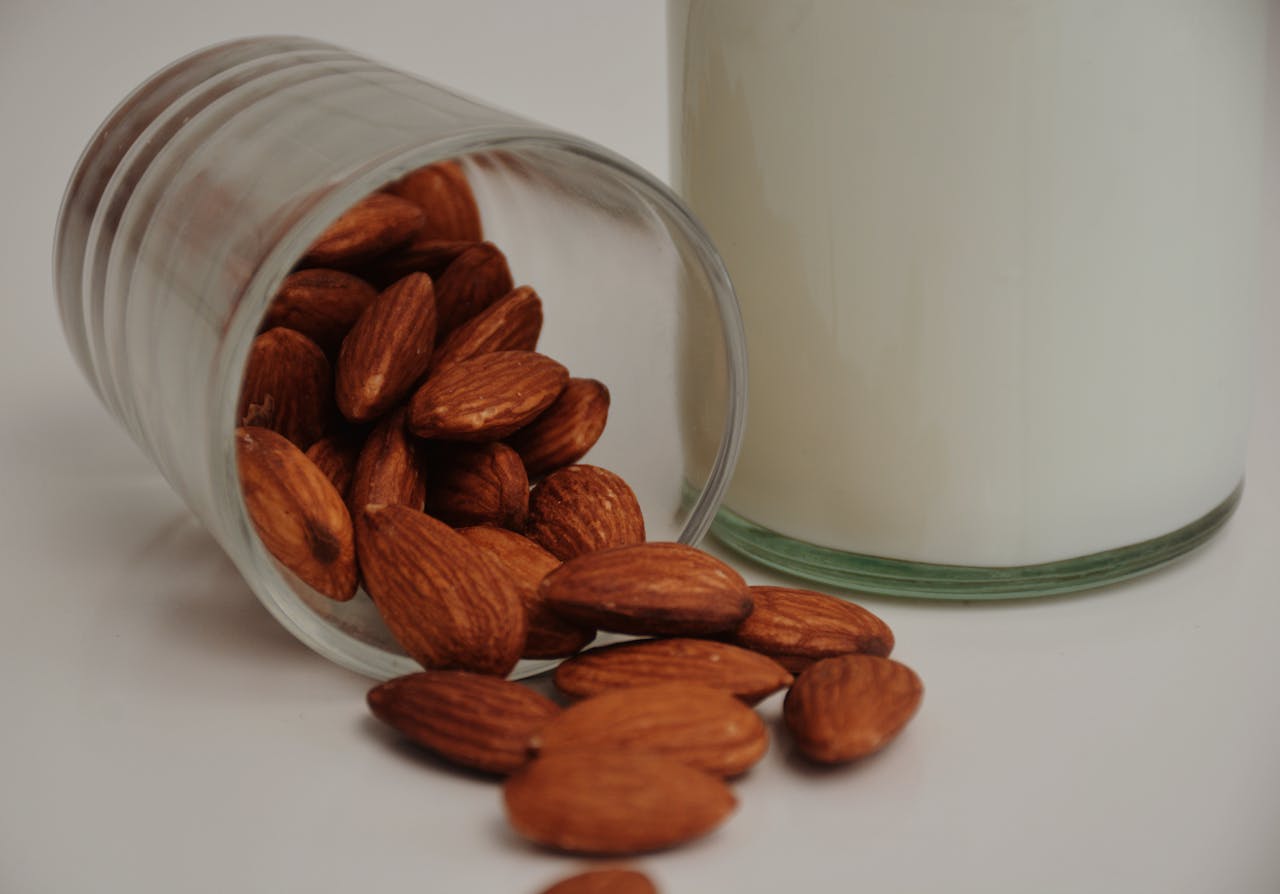
Almond milk is probably one of the most commonly used smoothie bases, and for good reason. It’s light, neutral, and works with almost anything. If you’re trying to keep your smoothie lower in calories but still want a bit of creaminess, this is an easy default.
Tip: Unsweetened vanilla almond milk adds a subtle flavor boost without making your smoothie overly sweet.
Greek Yogurt
Greek yogurt isn’t a liquid on its own, but once you thin it out a bit, it turns into a rich, creamy base. It’s high in protein and has that slightly tangy flavor that works really well with berries. It’s a solid option for breakfast smoothies or anything meant to keep you full for a while.
Tip: Mixing it with a little water or milk before blending helps avoid clumps and gives you a smoother texture.
Coconut Milk
Coconut milk adds a rich, tropical feel that can completely change the vibe of your smoothie. It’s especially good with mango, pineapple, or banana. That said, it’s definitely on the heavier side, so a little goes a long way.
Tip: If full-fat coconut milk feels too rich, try mixing it with water or another milk to balance things out.
Dairy Milk
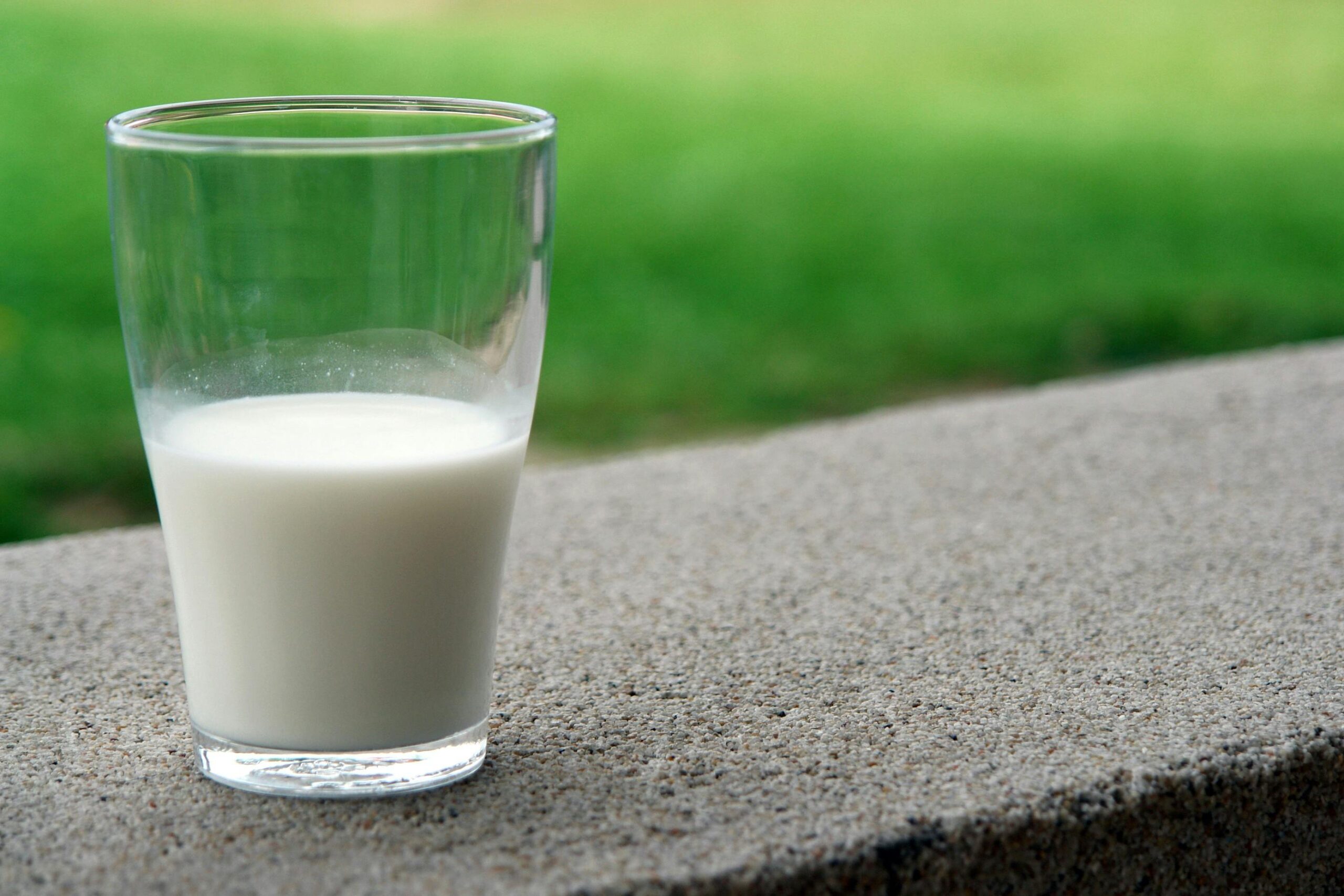
Regular dairy milk is a classic for a reason. It adds creaminess along with protein, calcium, and vitamin D. Depending on the type you use, you can easily adjust the richness, whole milk for something more filling, or skim milk if you want to keep it lighter.
Tip: It works particularly well in “meal-style” smoothies where you want something more balanced and satisfying.
Soy Milk
Soy milk is one of the few plant-based options that naturally contains a good amount of protein, which makes it a strong alternative to dairy milk. The flavor is pretty mild, so it doesn’t compete with your other ingredients.
Tip: If you’re trying to build a smoothie with more staying power (without protein powder), soy milk is a smart choice.

Kefir
Kefir is similar to drinkable yogurt, but a bit thinner and tangier. It’s packed with probiotics, so it’s often used for gut-friendly smoothies. The flavor can take a little getting used to, but it blends nicely with fruits like berries or bananas.
Tip: If you’re new to kefir, start with a smaller amount and combine it with sweeter fruits to balance the tang.
Orange or Apple Juice

Juices can add a bright, fresh flavor and natural sweetness to your smoothie. Orange juice works well in citrusy blends, while apple juice is more neutral and versatile. The main thing to keep in mind is that sugar in juice can add up quickly.
Tip: Try using half juice and half water (or milk) to keep the flavor without making it overly sweet.
Water
Water is the simplest option, but it’s surprisingly effective. It keeps your smoothie light and lets the other ingredients shine without adding any extra flavor. It’s especially useful when your ingredients are already creamy, like banana, avocado, or yogurt.
Tip: Start small and add more as you go. It’s easy to overdo it and end up with a watery smoothie.
Choosing the Right Liquid for Your Smoothie
If you’re not sure what to use, here’s a quick way to think about it:
- For something light and hydrating: water or coconut water
- For a creamy texture: oat milk, dairy milk, or coconut milk
- For extra protein: dairy milk, soy milk, or greek yogurt
- For added sweetness and flavor: fruit juices or vanilla almond milk
- For gut-friendly options: kefir or yogurt-based blends
Final Tips
The liquid base you choose can completely change how your smoothie turns out. Sometimes it’s the difference between something refreshing and something that feels like a full meal.
Once you start experimenting, you’ll probably find yourself rotating between a few favorites depending on your mood or routine.
Next time you make a smoothie, try switching up the base, you might end up with a combination you like even more than your usual go-to.


Which Drink Before Bed Is Perfect For Your Nighttime Routine? Quiz
Which Drink Before Bed Is Perfect For Your Nighttime Routine? Which Drink Before Bed Is Perfect For You? Discover[…]

Drink Before Bed for Clear Skin: 6 Beauty Drinks for Overnight Glow
Drink Before Bed for Clear Skin: 6 Beauty Drinks for Overnight Glow Want clearer, more radiant skin? Your nighttime[…]

Anti-Bloat Drink Before Bed: 6 Simple Recipes for a Flat Stomach
Anti-Bloat Drink Before Bed: 6 Simple Recipes for a Flat Stomach Feeling bloated at night can be uncomfortable, and[…]
Comments are closed