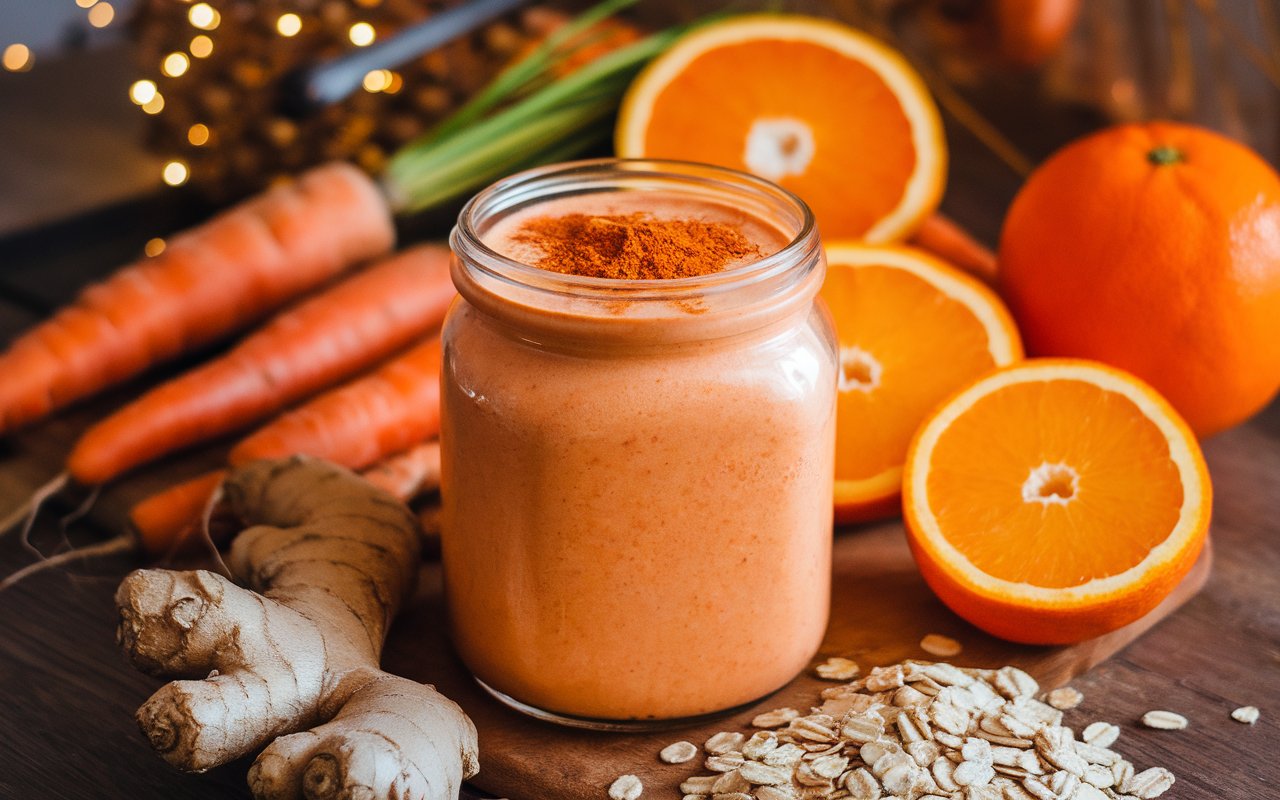
Top Vegetables for Winter Smoothies: Even in Cold Weather
When the weather turns cold, most people reach for comfort foods and skip smoothies altogether; especially vegetable smoothies. But the truth is, vegetables can make winter smoothies thicker, more nourishing, and surprisingly cozy when used the right way.
Winter vegetables are packed with fiber, vitamins, and minerals that support digestion, immunity, and steady energy during colder months. With a few simple prep tricks and smart pairings, veggie-based winter smoothies can be just as satisfying as warm breakfasts.
This guide covers the top vegetables for winter smoothies, how to prepare them, and how to blend them into delicious cold-weather combinations.
Why Vegetables Belong in Winter Smoothies
Vegetables aren’t just for green juices or summer smoothies. In winter, they help:
- Add fiber to support digestion
- Balance fruit sweetness
- Increase nutrient density
- Make smoothies more filling
- Support immune health during cold and flu season
When paired with warming spices, creamy bases, and healthy fats, vegetables blend seamlessly into winter smoothies.

What Makes a Vegetable Good for Winter Smoothies?
Not every vegetable works well in cold weather smoothies. The best winter smoothie vegetables are:
- Mild or naturally sweet
- Easy to blend (raw or cooked)
- Compatible with warming spices
- Able to add thickness or creaminess
Cooked or lightly steamed vegetables often work better in winter than raw ones, especially for digestion and texture.
Best Leafy Greens for Winter Smoothies
Spinach. Spinach is one of the easiest vegetables to use in winter smoothies. It has a mild flavor and blends well with fruit. Why it works: Spinach adds nutrients without overpowering the smoothie.
Kale. Kale is more nutrient-dense and slightly more filling than spinach. Best paired with:
Banana, apple, pear, or berries. Tip: Massage or lightly steam kale before blending for a smoother texture.
Swiss Chard (Optional). Swiss chard is rich in minerals and has a slightly earthy taste. Best for: Green smoothies with banana or citrus to balance flavor.
Best Root Vegetables for Winter Smoothies
Root vegetables are ideal for winter smoothies because they’re naturally sweet, hearty, and easy to store.
Carrots. Carrots add sweetness, color, and beta-carotene. Great pairings: Orange, ginger, cinnamon, banana.
Beets. Beets are rich in antioxidants and give smoothies a vibrant color. Best used: Roasted or steamed for a smoother flavor.
Sweet Potatoes. Sweet potatoes are one of the best vegetables for winter smoothies. Why they’re perfect: They add creaminess, fiber, and a cozy texture.
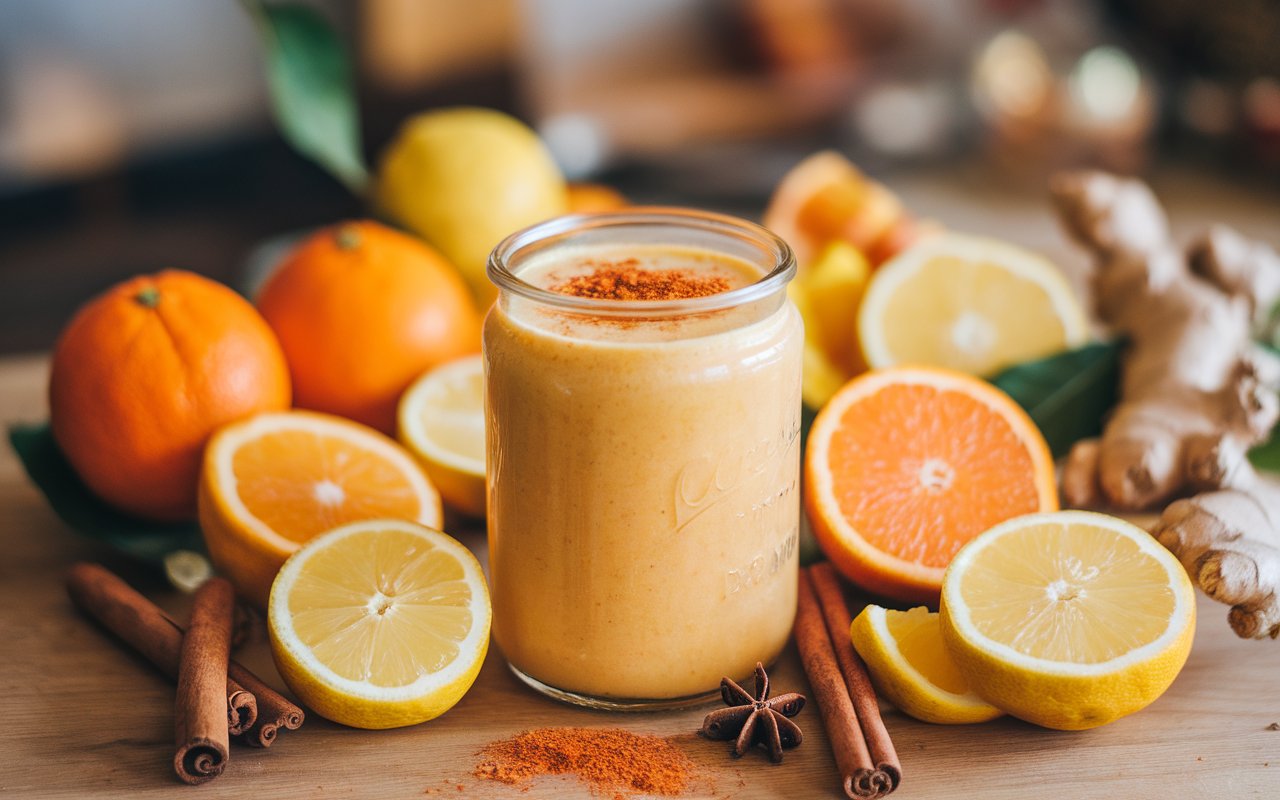
Best Squash and Pumpkin for Winter Smoothies
Pumpkin Purée. Pumpkin purée is a winter smoothie favorite. Why it works: Naturally thick, mildly sweet, and perfect with spices.
Butternut Squash. Butternut squash is smooth, slightly sweet, and filling. Best used: Steamed or roasted before blending.
Acorn Squash (Optional). Acorn squash works well in small amounts with apples or pears.
Best Mild Vegetables for Creamy Winter Smoothies
These vegetables are perfect if you’re new to veggie smoothies or want a smooth, creamy texture.
Zucchini. Zucchini blends well and adds volume without flavor. Tip: Freeze chopped zucchini for extra thickness.
Cauliflower. Steamed cauliflower creates a creamy texture without tasting like vegetables. Best for: Vanilla, cinnamon, or chocolate smoothies.
Avocado. While technically a fruit, avocado is often included in veggie smoothies. Why it works: Healthy fats + ultra-creamy texture.
How to Prep Vegetables for Winter Smoothies
Proper prep makes winter veggie smoothies more enjoyable:
- Steam or roast vegetables like sweet potatoes, carrots, beets, and squash
- Let vegetables cool before freezing
- Portion into freezer bags for quick use
- Use leftovers to reduce waste
Prepped vegetables save time and make winter smoothies easy to stick with.
Best Vegetable Pairings for Winter Smoothies
- Here are a few simple, winter-friendly combinations:
- Carrot + orange + ginger
- Spinach + banana + almond butter
- Sweet potato + cinnamon + oats
- Beet + frozen berries + cacao
- Pumpkin + apple + nutmeg
Common Mistakes to Avoid With Winter Vegetable Smoothies
- Using too many vegetables at once
- Skipping protein or healthy fats
- Not balancing flavors with fruit or spices
- Adding ice instead of creamy bases
- Forgetting warming spices

Final Tips
Vegetables absolutely belong in winter smoothies. When prepared properly and paired with the right ingredients, they make smoothies more filling, more nourishing, and perfect for cold weather.
Use this guide as a reference and start by adding just one vegetable at a time, you may be surprised how delicious winter veggie smoothies can be.
Next Read: Best Winter Smoothie Ingredients to Stay Healthy, Energized, and Warm
What’s Your Perfect Spring Smoothie? Quiz
What’s Your Perfect Spring Smoothie? What’s Your Perfect Spring Smoothie? Discover the ideal smoothie recipe for your goals this[…]
Build a Healthy Spring Routine with Simple Daily Smoothies
Build a Healthy Spring Routine with Simple Daily Smoothies Spring is the season of fresh starts. The days are[…]
Seasonal Spring Smoothies: Using Fresh In-Season Produce
Seasonal Spring Smoothies: Using Fresh In-Season Produce Spring is the perfect time to refresh your smoothie routine. As the[…]
Comments are closed