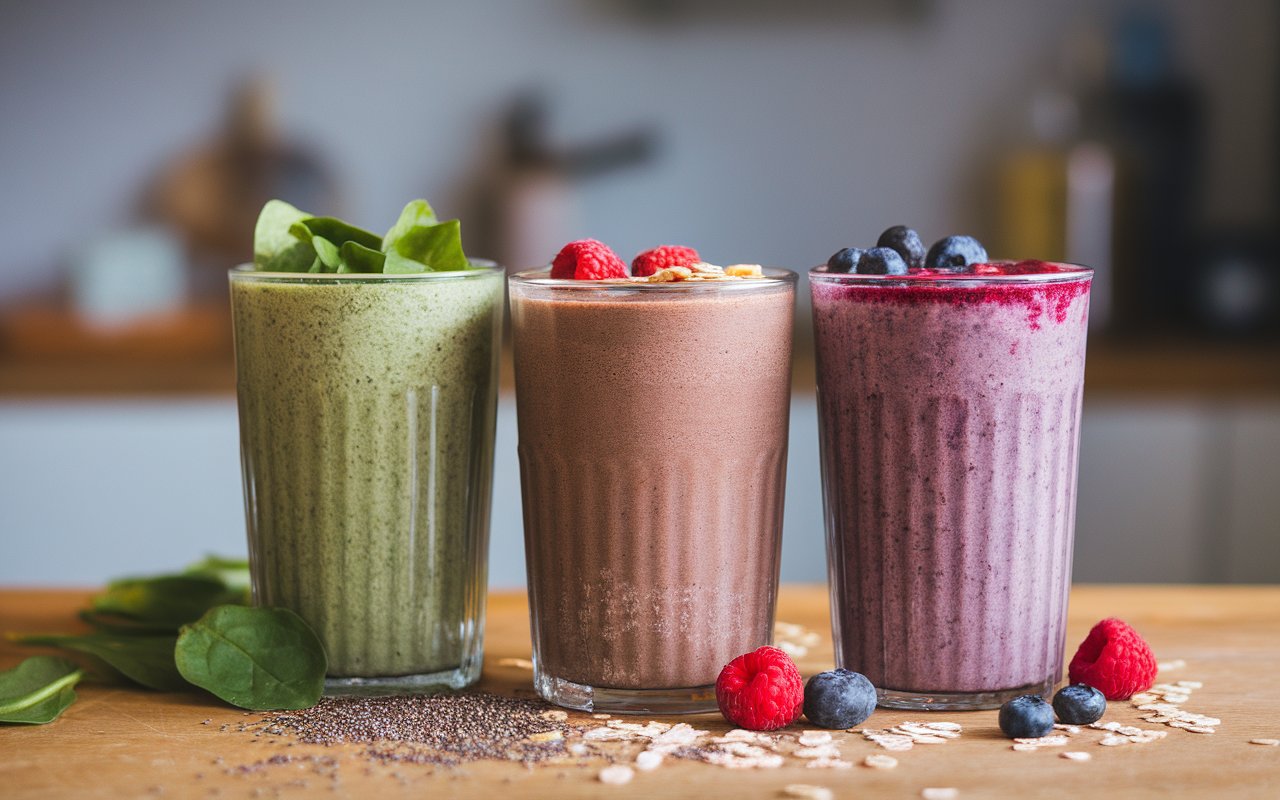
How to Add More Protein to Any Smoothie
If you want to make your smoothies more filling, more energizing, and better for muscle support, the simplest way is to increase the protein. But the good news? You don’t need protein powder to do it, unless you want to. There are tons of natural, whole-food protein boosters you can add to any smoothie to instantly upgrade its nutrition.
In this guide, you’ll learn why protein is essential in smoothies and how much protein you really need. Plus 20 easy protein boosters (no protein powder required) and the best combinations, ratios, tips, and troubleshooting for your smoothie.
Why Add More Protein to Your Smoothies?
A smoothie without protein may taste great—but it won’t keep you full for long. Here’s why adding protein matters:
- Increases satiety so you’re not hungry 30 minutes later
- Supports muscle repair and recovery (especially post-workout)
- Balances blood sugar, preventing spikes and crashes
- Boosts metabolism, thanks to the thermic effect of protein
- Helps with weight loss or maintenance by reducing snacking
Even adding just 5–10 grams of protein can dramatically improve how satisfied you feel after drinking a smoothie.

How Much Protein Should You Add?
Here’s a simple guideline:
- For weight loss: 15–25g protein per smoothie
- For energy + balanced breakfast: 12–20g
- For post-workout + muscle gain: 20–30g
Most smoothies naturally contain only 1–4g protein, so boosters make all the difference.
20 Easy Protein Boosters for Any Smoothie
Below are the best high-protein add-ins, grouped by category + how much protein they add.
High-Protein Dairy Options
1. Greek Yogurt (½ cup = 10–12g protein). Thickens your smoothie and adds a creamy, tangy flavor.
2. Cottage Cheese (½ cup = 12–14g protein). Secret trick: blends silky smooth and tastes like cheesecake.
3. Skyr (½ cup = 10–15g protein). Icelandic cultured dairy that’s protein-dense and mild-tasting.
4. Milk or Ultra-Filtered Milk (1 cup = 8–13g protein). Ultrafiltered (like Fairlife) offers extra protein and low sugar.
Plant-Based Protein Boosters
5. Silken Tofu (½ cup = 8g protein). Adds creaminess without flavor—great for green smoothies.
6. Nut Butter (1 tbsp = 3–4g protein). Peanut, almond, and cashew butter work in almost everything.
7. Hemp Seeds (3 tbsp = 10g protein). Soft texture, blends well, adds healthy fats.
8. Chia Seeds (2 tbsp = 4g protein)/ Thickens smoothies and adds omega-3s.
9. Pumpkin Seeds (¼ cup = 9g protein). Best blended with chocolate or banana-based smoothies.
10. Sunflower Seed Butter (1 tbsp = 3g protein). Great nut-free option with a rich, earthy taste.
Grains, Legumes & Sneaky Add-Ins
11. Rolled Oats (½ cup = 5g protein). Adds creaminess and long-lasting energy.
12. Quinoa (½ cup cooked = 4g protein). Make sure it’s fully cooked and cooled before blending.
13. White Beans (½ cup = 6–7g protein). Blend smoothly and work especially well with berry smoothies.
14. Lentils (½ cup = 9g protein). Surprisingly great when cooked and blended into chocolate smoothies.
15. Flaxseeds (2 tbsp = 3g protein). Adds nuttiness plus fiber.
Natural Sweeteners (with Protein!)
16. Peanut Flour (2 tbsp = 8g protein). All the peanut flavor, none of the extra fat.
17. Cacao Powder (2 tbsp = 4g protein). Not high protein on its own, but boosts overall macros.
High-Protein Fruits & Veggies
18. Spinach (2 cups = 2g protein). Not huge, but every gram helps.
19. Avocado (½ = 2g protein). Adds creaminess and healthy fats.
20. Frozen Edamame (½ cup = 9g protein). A powerhouse booster, works great in mango or berry smoothies.
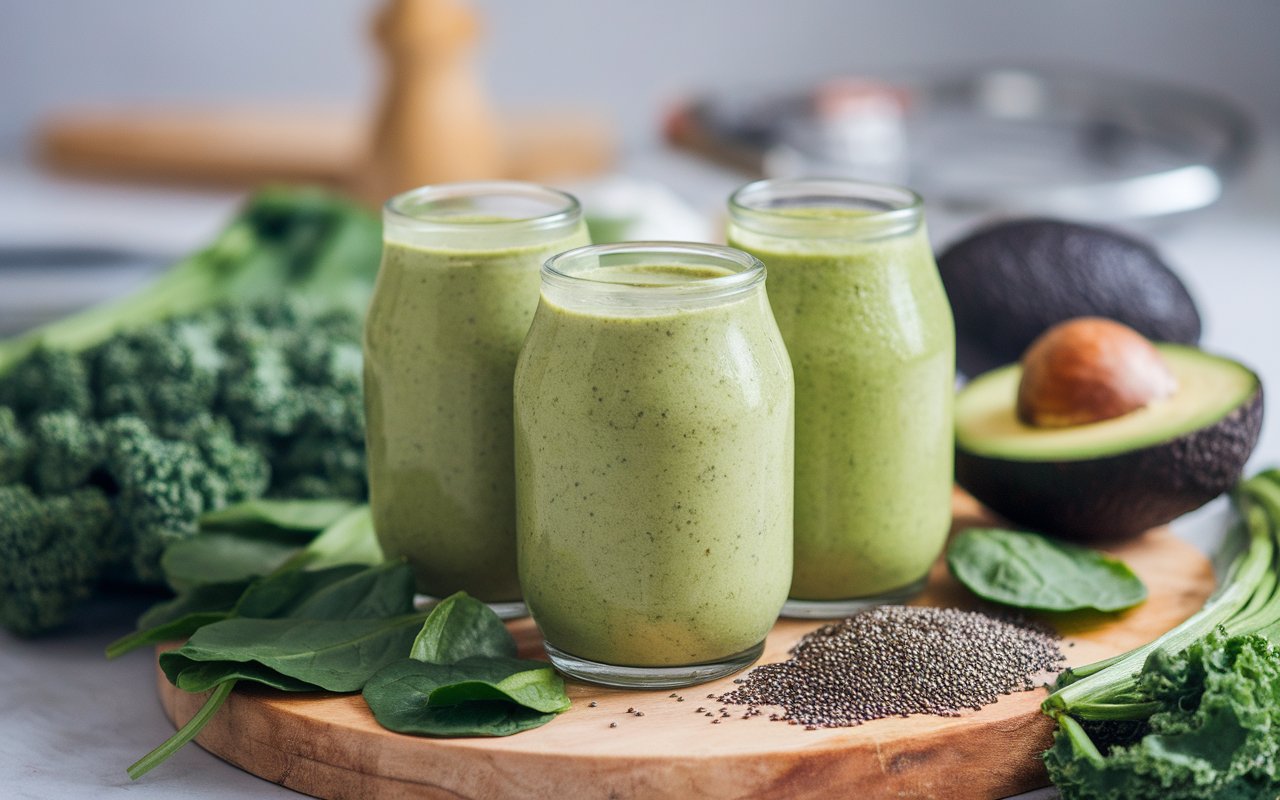
Best Combinations for Maximum Protein
Here are some simple combos that instantly hit 20–30g protein:
+ Greek yogurt + hemp seeds + milk = 25–30g protein
+ Silken tofu + peanut butter + oats = 20–25g protein
+ Cottage cheese + chia seeds + fruit = 20–28g protein
+ White beans + hemp seeds + almond milk = 18–22g protein (plant-based!)
When Should You Use Protein Powder?
While you don’t need protein powder, it’s useful when:
- You want fast, simple, high protein
- You’re lifting heavy or need 25–30g protein
- You’re vegan and need complete amino acids
- You want flavor (vanilla, chocolate, cookies & cream)
How to Add Protein Without Changing Flavor
Use these for neutral flavor:
- Silken tofu
- Cottage cheese
- White beans
- Hemp seeds
- Ultra-filtered milk
- Egg whites (pasteurized, safe, flavorless)
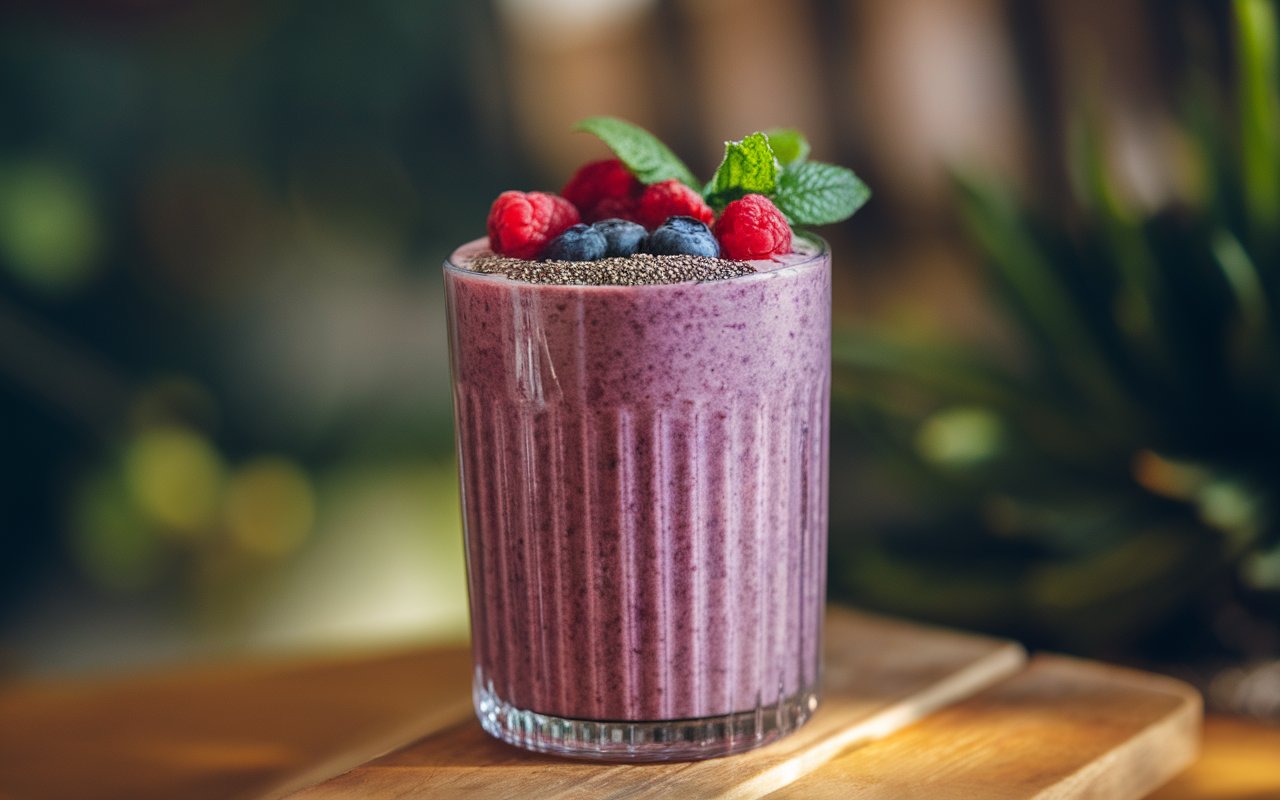
Final Tips for High-Protein Smoothies
- Start with one main protein + 1–2 boosters
- Add healthy fats to stay full longer
- Use frozen fruit for creaminess
- Blend seeds last to avoid clumping
- If too thick → add liquid
- If too thin → add oats, chia, or frozen banana
Adding more protein to your smoothies is one of the easiest, and most delicious, ways to boost your energy, stay full longer, support muscle recovery, and reach your health goals. With these 20 simple protein boosters, you can transform any smoothie into a balanced, satisfying, high-protein meal. Whether you choose dairy, plant-based sources, seeds, grains, beans, or nut butters, the possibilities are endless.
Next Read: The Ultimate Guide to High-Protein Smoothies
Which Smoothie Challenge Should You Try? Quiz
Which Smoothie Challenge Should You Try? Which Smoothie Challenge Should You Try? Find the perfect challenge to match your[…]
Smoothies as Natural Medicine: 7 Healing Ingredients to Boost Your Health
Smoothies as Natural Medicine: 7 Healing Ingredients to Boost Your Health Smoothies are often seen as a quick breakfast[…]
Which Skin-Boosting Smoothie Is Right for You? Quiz
Which Skin-Boosting Smoothie Is Right for You? Which Skin-Boosting Smoothie Is Right for You? Discover the perfect smoothie to[…]
Comments are closed