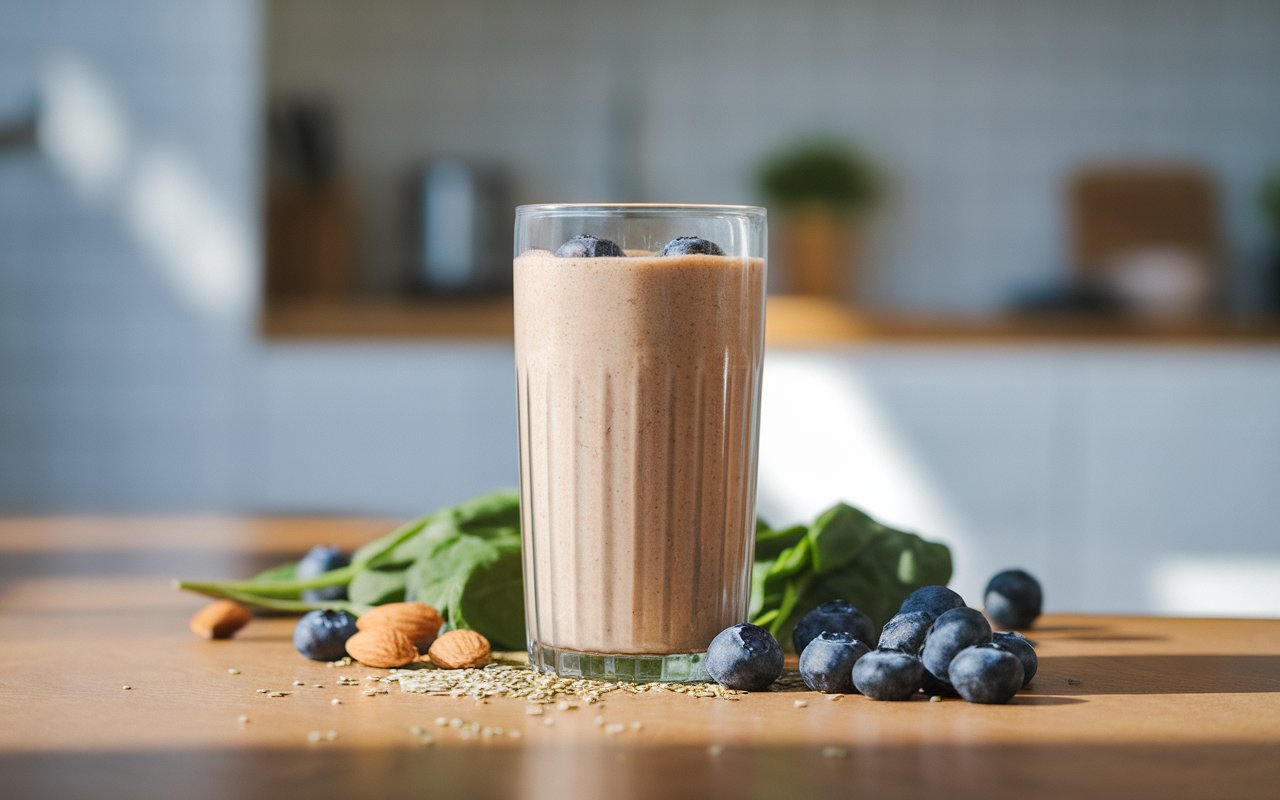
Dairy-Free High-Protein Smoothies
Dairy-free smoothies are more popular than ever, and not just among people who are lactose intolerant or vegan. Whether you want clearer skin, better digestion, or simply prefer plant-based options, dairy-free smoothies can be just as creamy, delicious, and protein-packed as the classic versions.
The secret? Using the right ingredients. This guide will show you exactly how to build dairy-free high-protein smoothies that keep you full, boost your energy, and taste genuinely amazing.
Why Go Dairy-Free (But Keep the Protein High)?
Many people find dairy triggers bloating, inflammation, acne, or sluggish digestion. Others simply prefer plant-based foods. Whatever the reason, the good news is:
Dairy-free doesn’t mean low protein.
With the right swaps, your smoothie can easily reach 15–30 grams of protein. In this post, you’ll learn the best dairy-free protein sources, simple tricks for creamier smoothies.

Benefits of Dairy-Free High-Protein Smoothies
Dairy-free smoothies offer several advantages:
Easier Digestive Comfort. Many people digest plant milks and plant proteins more easily than dairy.
Clearer Skin for Some People. Milk can trigger breakouts for some individuals; dairy-free smoothies offer a gentler alternative.
Anti-Inflammatory Ingredients. Plant-based, whole-food ingredients help reduce inflammation naturally.
Allergy-Friendly & Vegan-Friendly. Perfect for households with mixed dietary needs.
Still High in Protein. With the right boosters, dairy-free smoothies can deliver just as much protein as whey-based shakes.
Best Dairy-Free Protein Sources for Smoothies
You don’t need greek yogurt or whey powder to get a protein boost. Here are the top dairy-free ingredients for building high-protein smoothies.
A. Best Dairy-Free Protein Powders
Plant-Based Protein Powder. Pea protein is the most popular because:
- It’s high in protein.
- It’s easy to digest.
- It blends smoothly into smoothies.
Other options:
- Brown rice protein
- Hemp protein
- Pumpkin seed protein
Soy Protein Powder. A complete protein with a neutral flavor and excellent mixability.
Collagen Powder. Not vegan, but fully dairy-free and great for joints, hair, and skin.
B. Whole-Food Protein Additions
These ingredients add both protein and nutrients, no powder required.
Nut Butters. Each adds protein + healthy fats + creaminess:
- Almond
- Cashew
- Peanut
Seeds. Hemp seeds offer the most protein (about 10g per 3 tablespoons).
- Chia
- Hemp
- Flax
Silken Tofu. A hidden gem:
- High protein
- Incredibly creamy
- Completely flavor-neutral
White Beans. Sounds unusual, but:
- They blend smoothly
- Add protein and fiber
- Have no taste in smoothies
Oats. A budget-friendly way to add plant protein and thickness.
Coconut Yogurt (Unsweetened). Adds creaminess; choose a higher-protein variety when possible.
C. High-Protein Dairy-Free Milks
Not all plant milks are equal when it comes to protein.
Soy Milk. The highest protein plant milk, about 7–9g per cup.
Pea Milk (like Ripple). Thick, creamy, and usually 8g of protein per cup.
Almond Milk. Low in protein, but great for low-cal smoothies.
Coconut Milk. Creamy and rich, but very low in protein, best paired with other boosters.

How to Make Dairy-Free Smoothies Creamy (Without Yogurt)
If you want your smoothie thick and luxurious, try these dairy-free tricks:
- Add frozen banana or frozen mango
- Blend in soaked cashews
- Add ¼ avocado
- Use chia or flax seeds to thicken naturally
- Freeze plant milk into ice cube trays
- Add silken tofu for extra creaminess and protein
Common Mistakes to Avoid
Avoid these pitfalls to keep your smoothie tasty and satisfying:
Mistake #1: Using Only Fruit. This leads to sugar spikes and low protein. Always add a protein source.
Mistake #2: Too Many Powders. Leads to a chalky or gritty texture. Stick to 1 scoop.
Mistake #3: Choosing the Wrong Plant Milk. Some plant milks are too watery, which affects texture.
Mistake #4: Not Balancing Flavors. Plant proteins pair best with cocoa or chocolate, cinnamon, berries, nut butters.
How Much Protein Should a Dairy-Free Smoothie Have?
Aim for 15–30 grams of protein per smoothie. Here are high-protein combinations:
Option 1: Vegan Power Combo. Pea protein + soy milk = 25g+
Option 2: Whole-Food Boost. Silken tofu + chia seeds + almond butter = ~20g
Option 3: Seed-Based Protein. Hemp seeds + oats + pea milk = ~18g

Final Tips
Dairy-free high-protein smoothies are a powerful way to fuel your day, without sacrificing creaminess, flavor, or nutrition. By mixing plant milks, whole-food add-ins, and smart protein boosters, you can create smoothies that taste incredible and keep you full for hours.
Ready for more delicious smoothie ideas? Check out The Ultimate Guide to High-Protein Smoothies.
FAQs Dairy-Free High-Protein Smoothies
Can you get enough protein without dairy?
Absolutely. With powders, seeds, tofu, and nut butters, dairy-free smoothies can hit 20–30g easily.
What’s the best dairy-free milk for protein?
Soy and pea milk lead the pack.
Is plant protein as effective as whey?
Pea, soy, and pumpkin seed protein are excellent alternatives and provide all essential amino acids when combined with whole foods.
How do I make a dairy-free smoothie creamy?
Use tofu, banana, frozen fruit, cashews, or chia seeds.
What’s the best plant-based protein powder?
Look for pea, soy, or a clean blend with no fillers.
Low-Carb Smoothie Ingredients to Avoid (Hidden Sugar Alert)
Low-Carb Smoothie Ingredients to Avoid (Hidden Sugar Alert) Smoothies are often marketed as healthy, but many are secretly packed[…]
Best Low-Carb Vegetables to Add to Smoothies
Best Low-Carb Vegetables to Add to Smoothies When most people think of smoothies, they think of fruit. But if[…]
Best Low-Carb Fruits for Smoothies (And How Much to Use)
Best Low-Carb Fruits for Smoothies (And How Much to Use) Fruit can make smoothies taste amazing, but when you’re[…]
Comments are closed