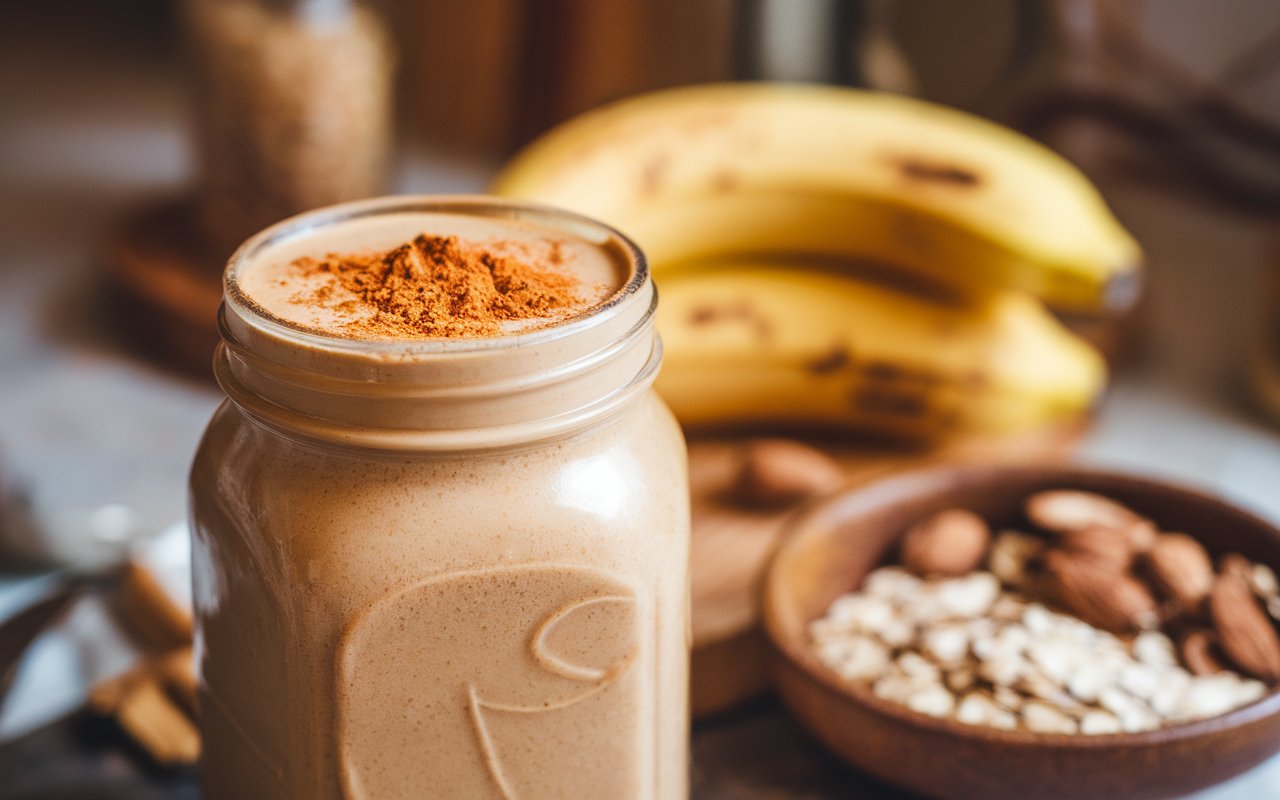
Best Protein Sources for Winter Smoothies
Winter smoothies should do more than just taste good, they should keep you full, energized, and satisfied. One of the biggest reasons smoothies fall short in cold weather is a lack of protein.
Adding the right protein sources turns a light smoothie into a balanced, cozy winter meal or snack. In this guide, you’ll discover the best protein sources for winter smoothies, how much protein to use, and how to pair protein with fruits, vegetables, and warming spices.
Why Protein Matters More in Winter Smoothies
During winter, your body often needs more sustained energy. Protein helps by:
- Keeping you full longer
- Supporting stable blood sugar levels
- Reducing cravings between meals
- Making smoothies feel more substantial
Without protein, winter smoothies can leave you hungry too soon.

How Much Protein Do You Need in a Winter Smoothie?
A good guideline is:
- 15–20 grams for snacks
- 20–25 grams for breakfast smoothies
Your exact needs depend on activity level, appetite, and overall diet.
Best Plant-Based Protein Sources for Winter Smoothies
Protein Powders. Plant-based protein powders are convenient and effective. Best options:
- Pea protein
- Hemp protein
- Brown rice protein
- Protein blends (pea + rice)
Winter tip: Choose unflavored or lightly flavored powders and pair them with warming spices for better taste.
Nut Butters. Nut butters add protein, healthy fats, and creaminess. Top choices:
- Almond butter
- Peanut butter
- Cashew butter
They make winter smoothies feel richer and more comforting.
Seeds. Seeds are small but powerful. Best seeds for smoothies:
- Chia seeds
- Ground flaxseeds
- Hemp seeds
They add protein, fiber, and omega-3s while thickening your smoothie naturally.
Legume-Based Options. These options are surprisingly effective in winter smoothies. Try adding:
- Silken tofu
- Cooked white beans
- Cooked lentils (small amounts)
They blend smoothly and add creaminess without strong flavor.
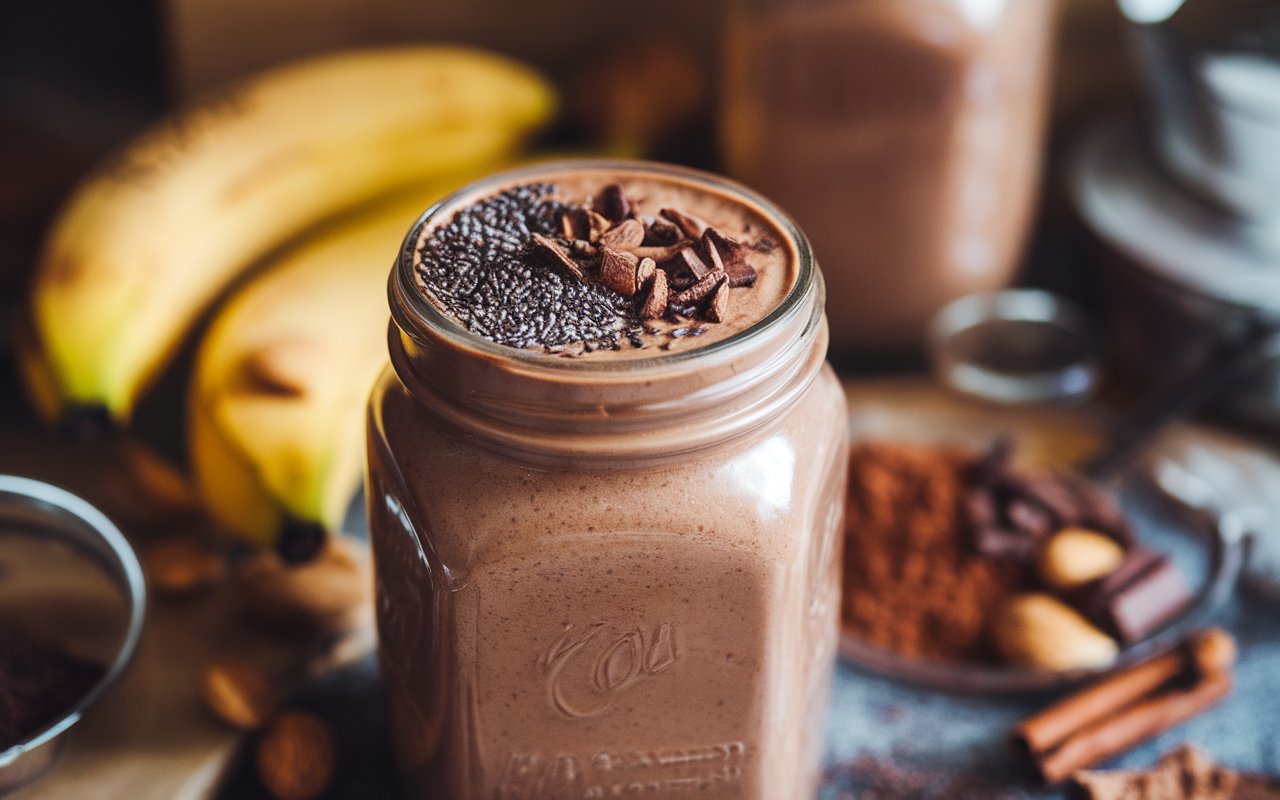
Best Animal-Based Protein Sources for Winter Smoothies (Optional)
If your blog includes non-vegan options, these work well in winter:
- Greek yogurt
- Skyr
- Milk or kefir
- Collagen peptides
These options provide protein and creaminess that help winter smoothies feel cozy and filling.
Best Protein Sources for Cozy Winter Smoothies
For cold weather, focus on protein sources that add texture and warmth:
- Nut butters
- Yogurt
- Silken tofu
- Oats combined with protein
Liquid protein alone often feels too light in winter.
How to Combine Protein With Fruits, Veggies & Spices
Here are balanced winter smoothie combinations:
- Banana + peanut butter + cinnamon
- Apple + almond butter + oats
- Mango + protein powder + turmeric
- Berries + Greek yogurt + ginger
- Pear + silken tofu + cardamom
These combinations create satisfying and flavorful smoothies.
Common Protein Smoothie Mistakes in Winter
Balanced smoothies are more enjoyable and nourishing. Avoid these common issues:
- Relying only on fruit for energy
- Using too much protein powder
- Skipping healthy fats
- Ignoring texture and temperature
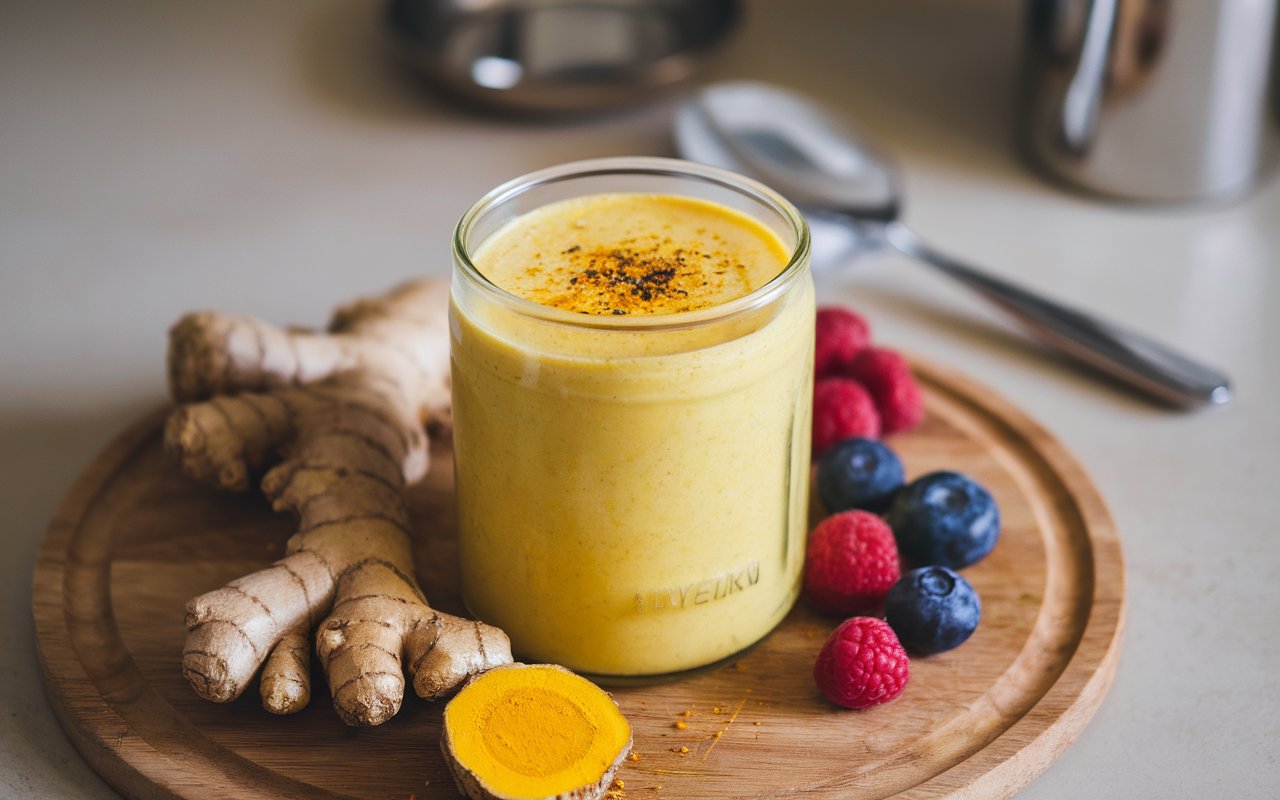
Protein Add-Ins That Improve Warmth & Texture
These additions make smoothies thicker and more comforting. Enhance winter smoothies with:
- Rolled oats
- Cooked quinoa
- Warming spices
- Room-temperature liquids
Final Tips
Protein is the secret to winter smoothies that truly satisfy. By choosing the right protein sources and pairing them with seasonal fruits, vegetables, and warming spices, you can enjoy smoothies that feel comforting and nourishing, even on the coldest days.
Experiment with different combinations to find your perfect winter blend. Next Read: Best Winter Smoothie Ingredients to Stay Healthy, Energized, and Warm
What’s Your Perfect Spring Smoothie? Quiz
What’s Your Perfect Spring Smoothie? What’s Your Perfect Spring Smoothie? Discover the ideal smoothie recipe for your goals this[…]
Build a Healthy Spring Routine with Simple Daily Smoothies
Build a Healthy Spring Routine with Simple Daily Smoothies Spring is the season of fresh starts. The days are[…]
Seasonal Spring Smoothies: Using Fresh In-Season Produce
Seasonal Spring Smoothies: Using Fresh In-Season Produce Spring is the perfect time to refresh your smoothie routine. As the[…]
Comments are closed