Best Low-Carb Vegetables to Add to Smoothies
When most people think of smoothies, they think of fruit. But if you’re trying to keep carbs low, vegetables are your secret weapon. Low-carb vegetables add fiber, vitamins, and volume to your smoothies without raising sugar levels. They also help keep you full longer and support weight loss, blood sugar balance, and overall health.
In this guide, you’ll learn the best low-carb vegetables for smoothies, how to use them, how much to add, and how to make them taste great, even if you’re new to green smoothies.

Why Add Vegetables to Low-Carb Smoothies?
Vegetables are ideal for low-carb smoothies because they:
- Are naturally low in sugar
- Are high in fiber and nutrients
- Add volume without extra calories
- Help balance fruit sweetness
- Improve fullness and digestion
By using vegetables as your base, you can enjoy smoothies more often without worrying about carb overload.
What Makes a Vegetable “Low Carb”?
A low-carb vegetable is typically:
- Low in natural sugars
- High in water and fiber
- Low in net carbs per serving
Most leafy greens and non-starchy vegetables fall into this category, making them perfect for smoothies.
Best Low-Carb Vegetables for Smoothies
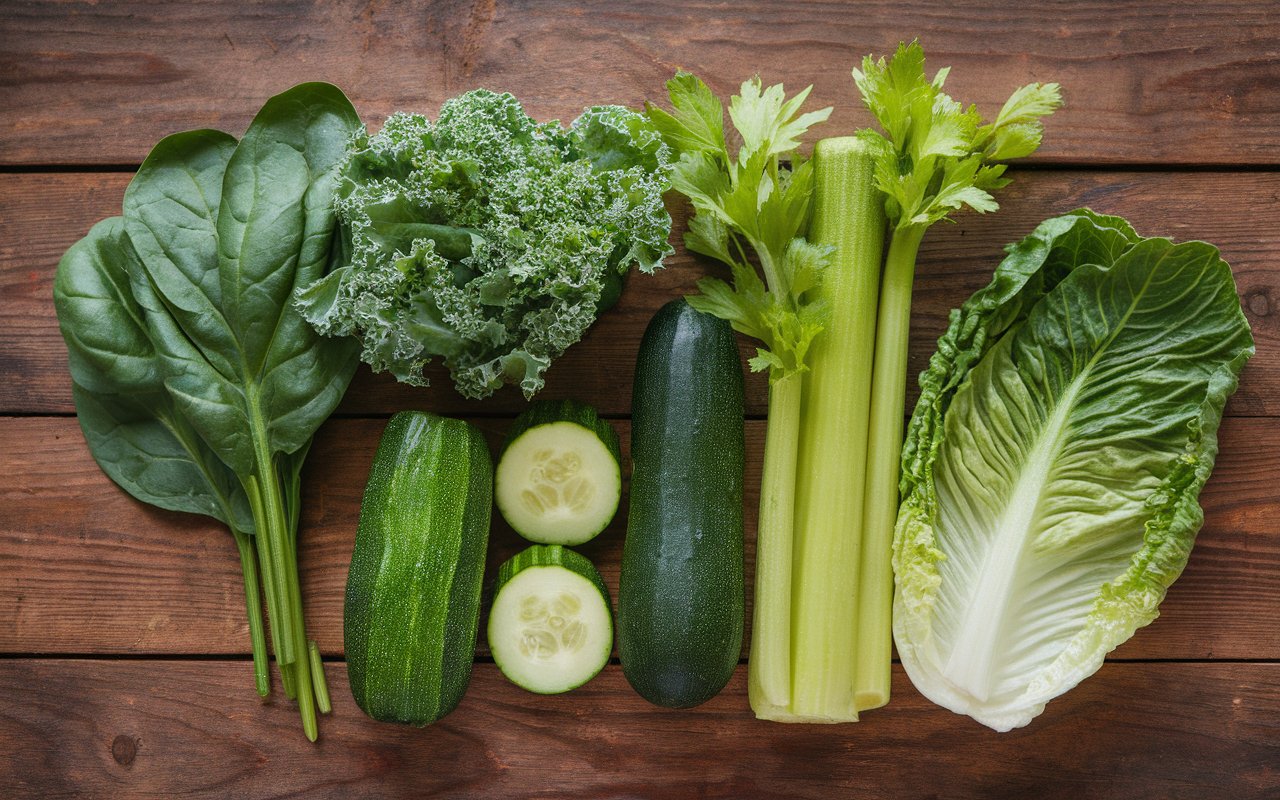
Spinach
Why it’s great: Spinach is mild, affordable, and blends smoothly. It’s one of the easiest vegetables for beginners.
How much to use: 1–2 cups fresh spinach
Flavor tip: You won’t taste it when paired with berries or vanilla protein.
Kale
Why it’s great: Kale is nutrient-dense and high in antioxidants.
How much to use: ½–1 cup, stems removed
Flavor tip: Massage or freeze first to reduce bitterness.
Cucumber
Why it’s great: Very low in carbs and adds hydration.
How much to use: ½–1 cup chopped
Flavor tip: Pairs well with citrus and mint.
Zucchini
Why it’s great: Zucchini adds creaminess when frozen and has almost no flavor.
How much to use: ½–1 cup sliced (frozen works best)
Flavor tip: Great substitute for bananas.
Celery
Why it’s great: Low calorie, high water content, and refreshing.
How much to use: 1–2 stalks
Flavor tip: Balances sweet smoothies well.
Swiss Chard
Why it’s great: Similar to spinach but more nutrient-dense.
How much to use: ½–1 cup chopped
Flavor tip: Works well in berry-based smoothies.
Romaine Lettuce
Why it’s great: Very mild flavor and blends easily.
How much to use: 1–2 cups chopped
Flavor tip: Perfect for beginners who dislike strong greens.

Vegetables to Limit in Low-Carb Smoothies
Some vegetables are higher in carbs and best used sparingly:
- Carrots
- Beets
- Sweet potatoes
- Peas
- Corn
These can raise carb counts quickly when blended.
How Much Vegetables Should You Add?
General guideline:
- Leafy greens: 1–2 cups
- Watery veggies: ½–1 cup
- Strong greens: ½ cup
Vegetables should make up at least half of your smoothie volume for best results.
How to Make Vegetables Taste Good in Smoothies
If you’re new to veggie smoothies, try these tips:
Pair With Fruit
Use small amounts of low-carb fruits like:
- Strawberries
- Raspberries
- Blackberries
- Avocado
Add Flavor Boosters
- Vanilla extract
- Cinnamon
- Unsweetened cocoa powder
- Lemon juice
Use Protein and Fat
Protein and healthy fats help smooth out vegetable flavors:
- Protein powder
- Greek yogurt
- Nut butter
- Chia seeds
Best Low-Carb Vegetable Smoothie Combinations
Try these easy blends:
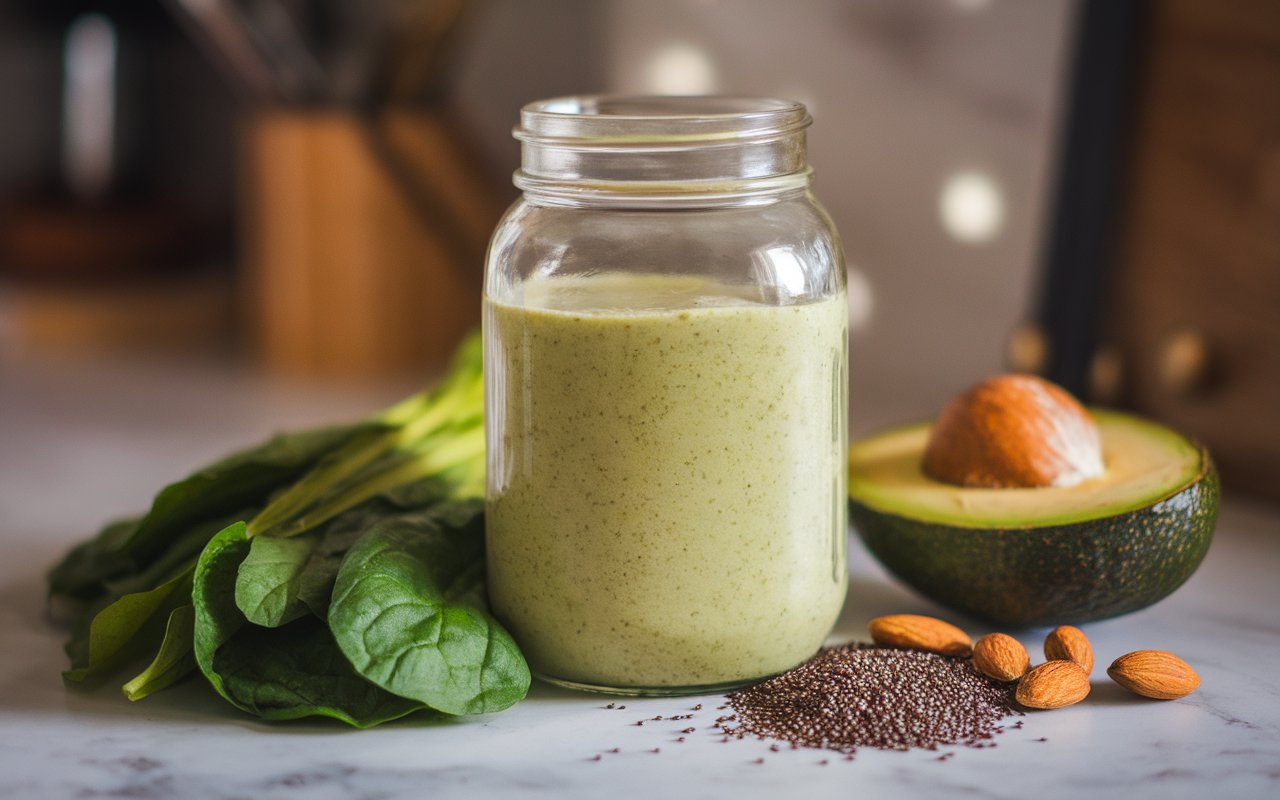
- Spinach + Strawberry + Almond Milk + Protein
- Cucumber + Avocado + Lime + Mint
- Zucchini + Cocoa + Vanilla Protein
- Kale + Blackberry + Chia Seeds
These combinations are balanced, filling, and beginner-friendly.
Common Mistakes When Using Vegetables in Smoothies
Avoid these mistakes:
- Using too many bitter greens at once
- Skipping protein
- Not blending long enough
- Using old or wilted greens
- Forgetting to remove thick stems
Final Tips
Low-carb vegetables are the foundation of healthy smoothies. By using greens and non-starchy veggies as your base, you can enjoy delicious blends that support weight loss, energy, and blood sugar balance.
For a complete guide to building balanced smoothies, read:
Low-Carb Smoothies: What They Are, Benefits, and How to Make Them
Which Smoothie Challenge Should You Try? Quiz
Which Smoothie Challenge Should You Try? Which Smoothie Challenge Should You Try? Find the perfect challenge to match your[…]
Smoothies as Natural Medicine: 7 Healing Ingredients to Boost Your Health
Smoothies as Natural Medicine: 7 Healing Ingredients to Boost Your Health Smoothies are often seen as a quick breakfast[…]
Which Skin-Boosting Smoothie Is Right for You? Quiz
Which Skin-Boosting Smoothie Is Right for You? Which Skin-Boosting Smoothie Is Right for You? Discover the perfect smoothie to[…]
Comments are closed