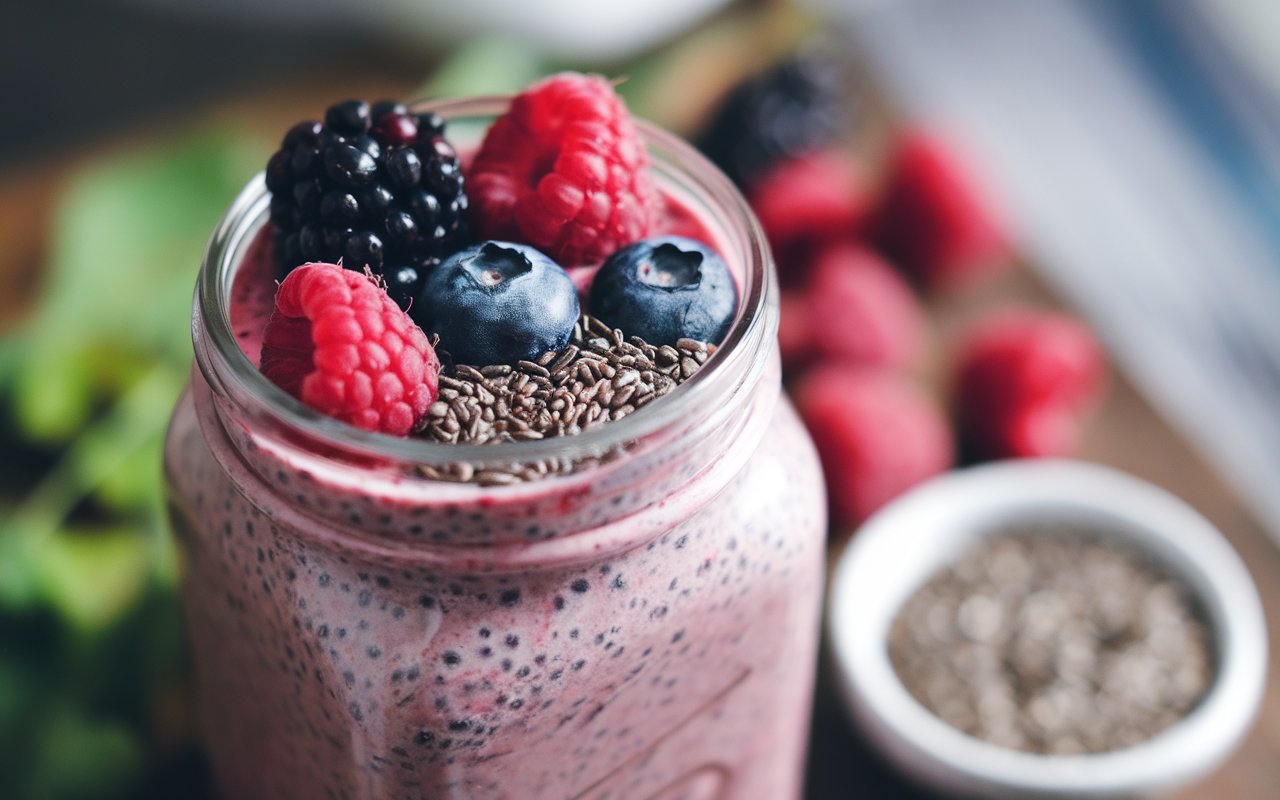
Best Low-Carb Fruits for Smoothies (And How Much to Use)
Fruit can make smoothies taste amazing, but when you’re trying to keep carbs low, not all fruit is created equal. Some fruits are naturally low in sugar, while others can quickly turn a smoothie into a high-carb, blood-sugar-spiking drink.
In this guide, you’ll learn the best low-carb fruits for smoothies, how much to use, which fruits to limit or avoid, and how to keep your smoothies sweet without overdoing the carbs.

Why Fruit Matters in Low-Carb Smoothies
Fruit contains natural sugar, which means carbs add up fast—especially in smoothies where it’s easy to blend multiple servings at once.
Low-carb smoothies work best when:
- Fruit is used strategically, not as the main ingredient
- Portion sizes are controlled
- Fruit is paired with protein, fiber, and healthy fats
Choosing the right fruits helps you enjoy flavor without sugar overload.
What Makes a Fruit “Low Carb”?
A fruit is considered low carb when it:
- Is lower in sugar
- Is higher in fiber (which lowers net carbs)
- Can be used in small portions without spiking blood sugar
Most low-carb smoothies aim for 5–15 grams of net carbs per serving, so fruit selection and portion size matter.
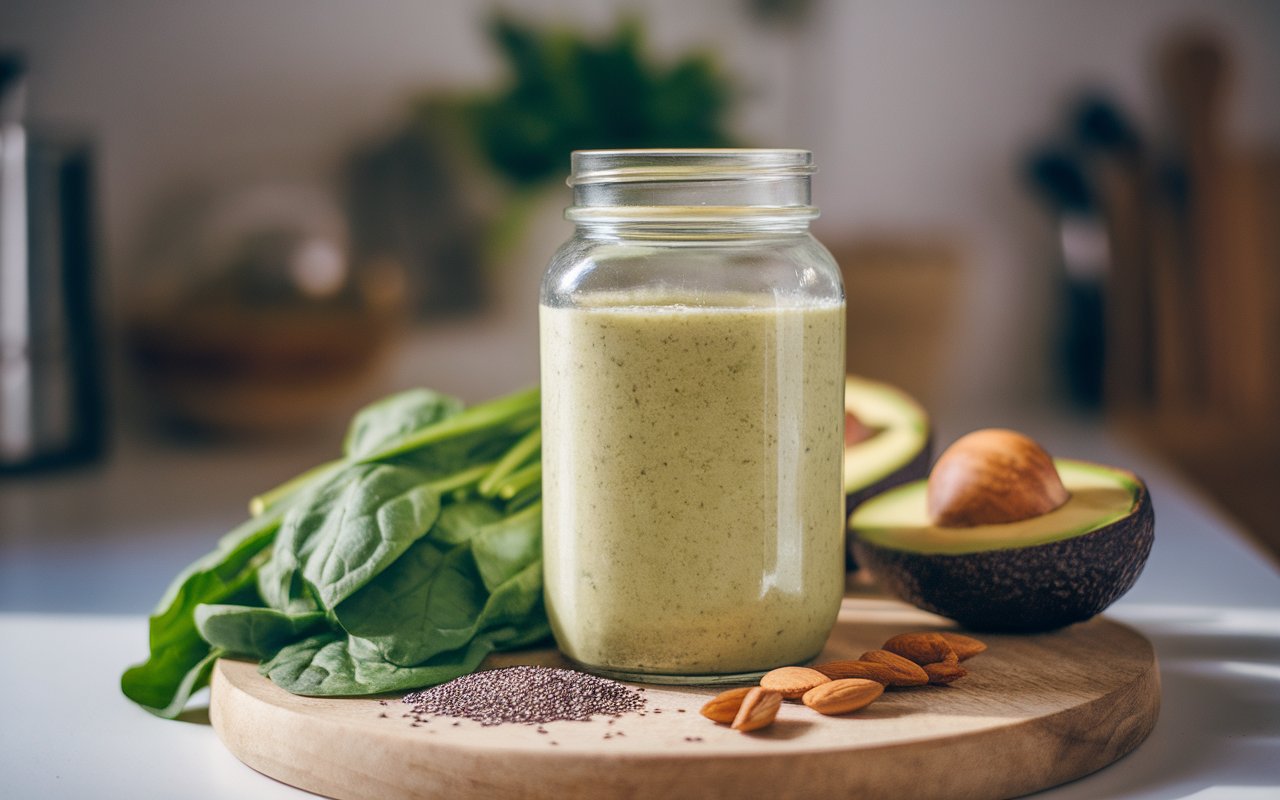
Best Low-Carb Fruits for Smoothies
Strawberries
Why they’re great: Strawberries are relatively low in sugar and high in fiber compared to many fruits.
How much to use: ½ cup sliced strawberries
Flavor tip: Adds natural sweetness without overpowering other ingredients.
Raspberries
Why they’re great: Very high in fiber, which helps lower net carbs.
How much to use: ¼ to ½ cup
Flavor tip: Pairs well with vanilla protein powder or chocolate flavors.
Blackberries
Why they’re great: Low in sugar and rich in antioxidants.
How much to use: ¼ to ½ cup
Flavor tip: Blends well with leafy greens like spinach or kale.
Avocado
Why it’s great: Technically a fruit, and one of the lowest-carb options available.
How much to use: ¼ to ½ medium avocado
Flavor tip: Creates a creamy texture without sweetness.
Lemon or Lime Juice
Why they’re great: Very low in carbs and adds brightness.
How much to use: 1–2 tablespoons
Flavor tip: Balances creamy or chocolate-based smoothies.
Fruits to Limit or Avoid in Low-Carb Smoothies
These fruits are much higher in sugar and carbs and can easily push smoothies out of low-carb range:
- Bananas
- Mangoes
- Pineapple
- Grapes
- Apples
- Cherries
Even small amounts can add 20+ grams of carbs.

How Much Fruit Should You Use in a Low-Carb Smoothie?
- A simple rule of thumb:
- Berries: ¼–½ cup
- Avocado: ¼–½ fruit
- Citrus juice: 1–2 tablespoons
Fruit should enhance flavor, not dominate the smoothie.
How to Keep Smoothies Sweet Without Adding More Fruit
- If your smoothie needs more sweetness, try:
- Stevia or monk fruit
- Vanilla extract
- Cinnamon
- Unsweetened cocoa powder
These add flavor without extra carbs.
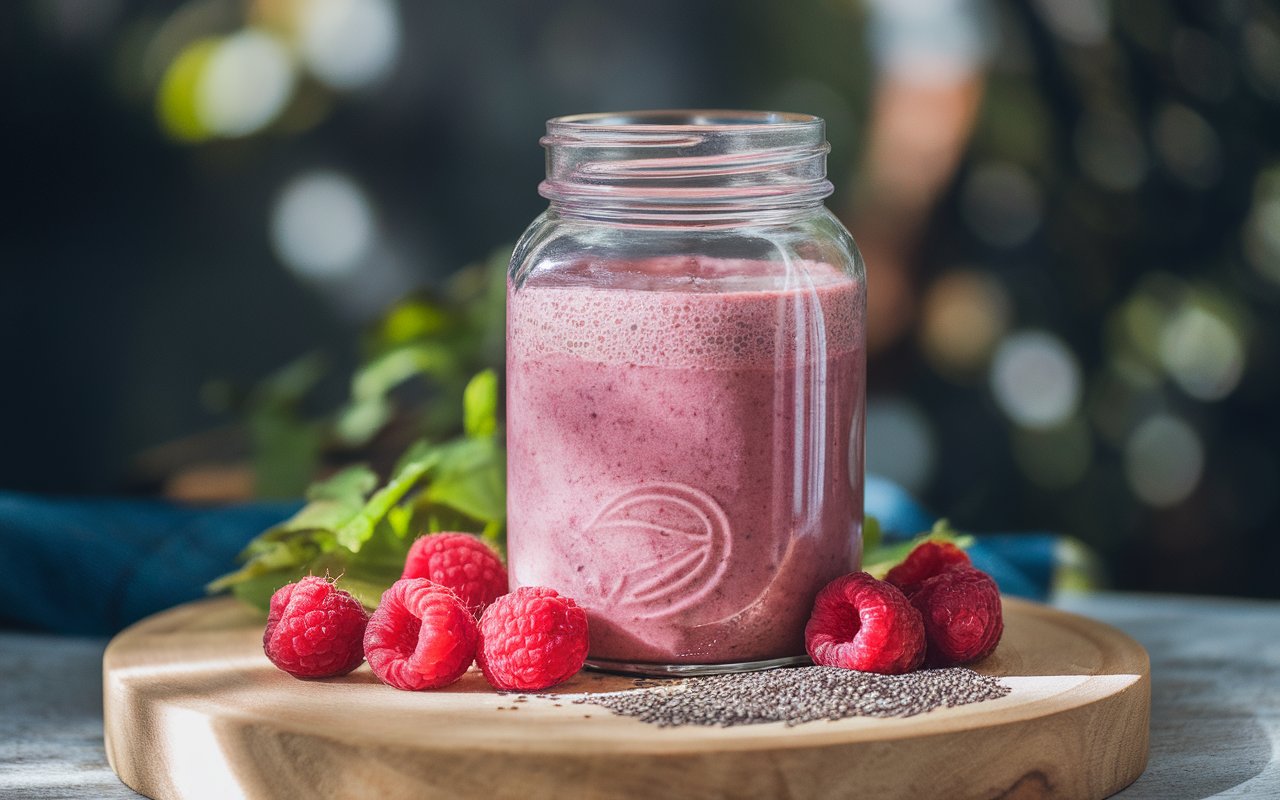
Best Fruit Combinations for Low-Carb Smoothies
- Strawberry + avocado
- Raspberry + chocolate protein
- Blackberry + spinach
- Avocado + lemon + vanilla
Pair fruit with:
- Protein (protein powder, Greek yogurt)
- Healthy fats (chia seeds, nut butter)
This helps keep you full longer.
Final Tips
Low-carb smoothies don’t require eliminating fruit, you just need to choose wisely and control portions. By sticking with low-carb fruits like berries and avocado, you can enjoy delicious smoothies without sugar spikes.
For a full breakdown of building balanced smoothies, check out:
Low-Carb Smoothies: What They Are, Benefits, and How to Make Them
Which Smoothie Challenge Should You Try? Quiz
Which Smoothie Challenge Should You Try? Which Smoothie Challenge Should You Try? Find the perfect challenge to match your[…]
Smoothies as Natural Medicine: 7 Healing Ingredients to Boost Your Health
Smoothies as Natural Medicine: 7 Healing Ingredients to Boost Your Health Smoothies are often seen as a quick breakfast[…]
Which Skin-Boosting Smoothie Is Right for You? Quiz
Which Skin-Boosting Smoothie Is Right for You? Which Skin-Boosting Smoothie Is Right for You? Discover the perfect smoothie to[…]
Comments are closed